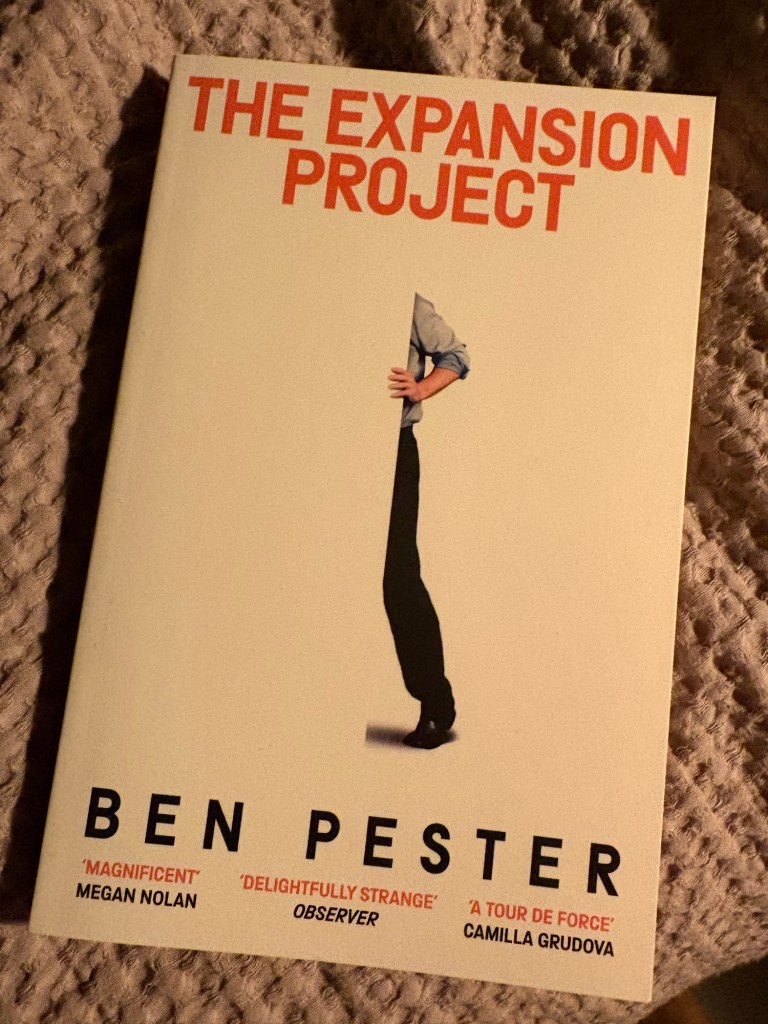
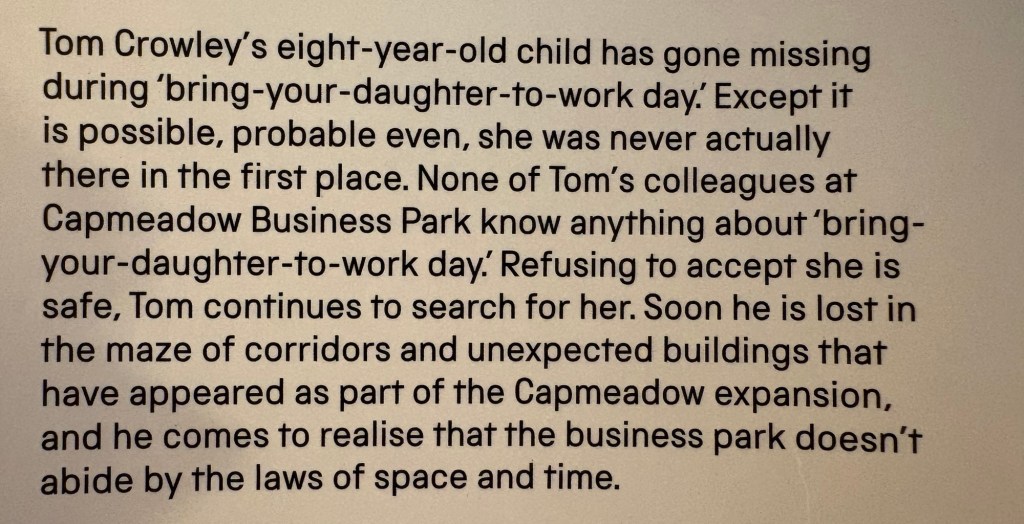
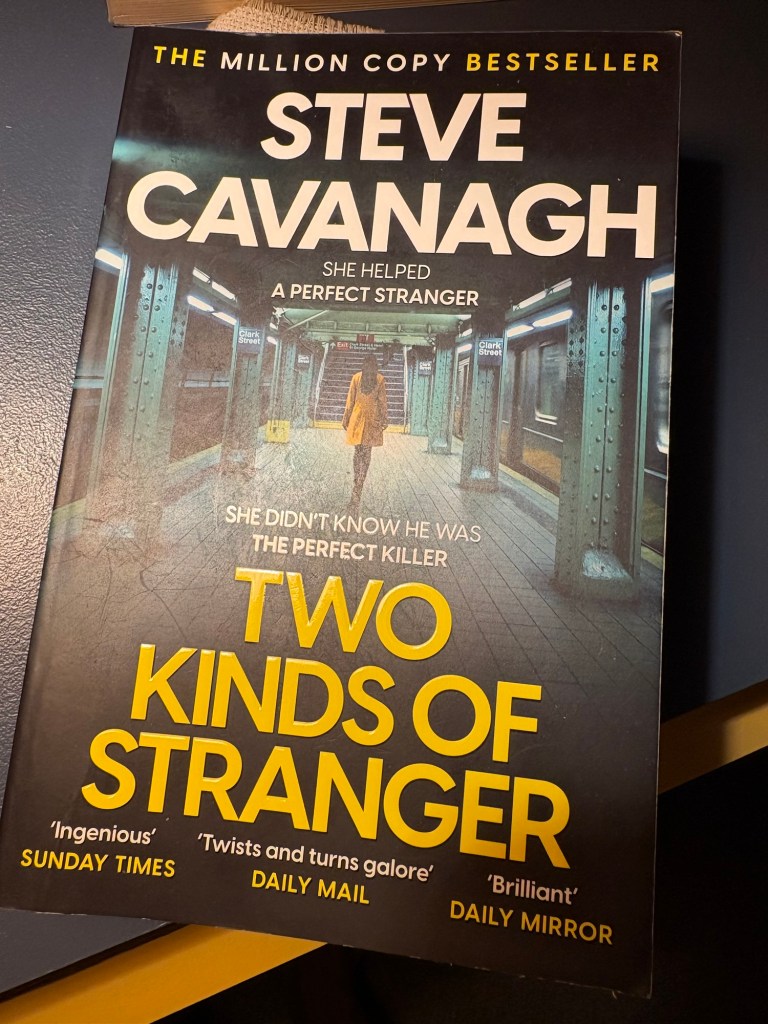
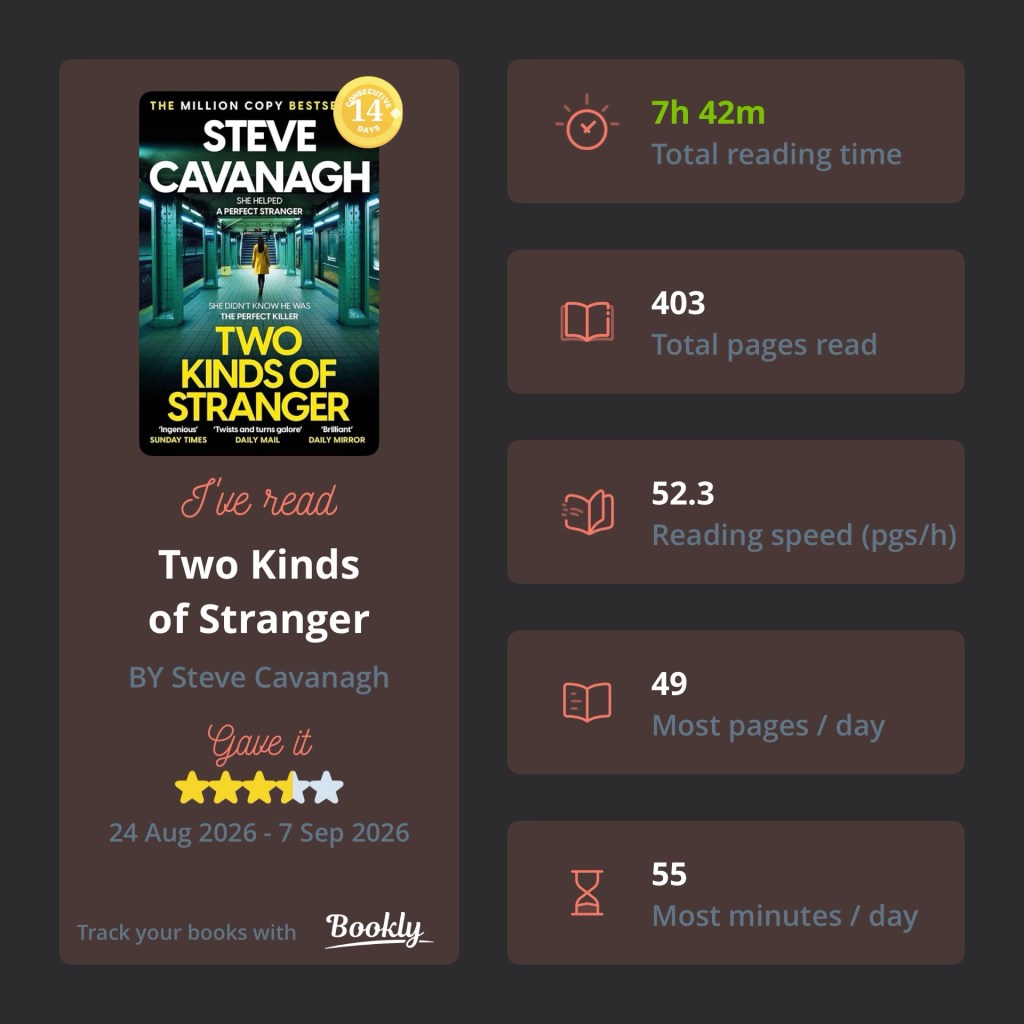
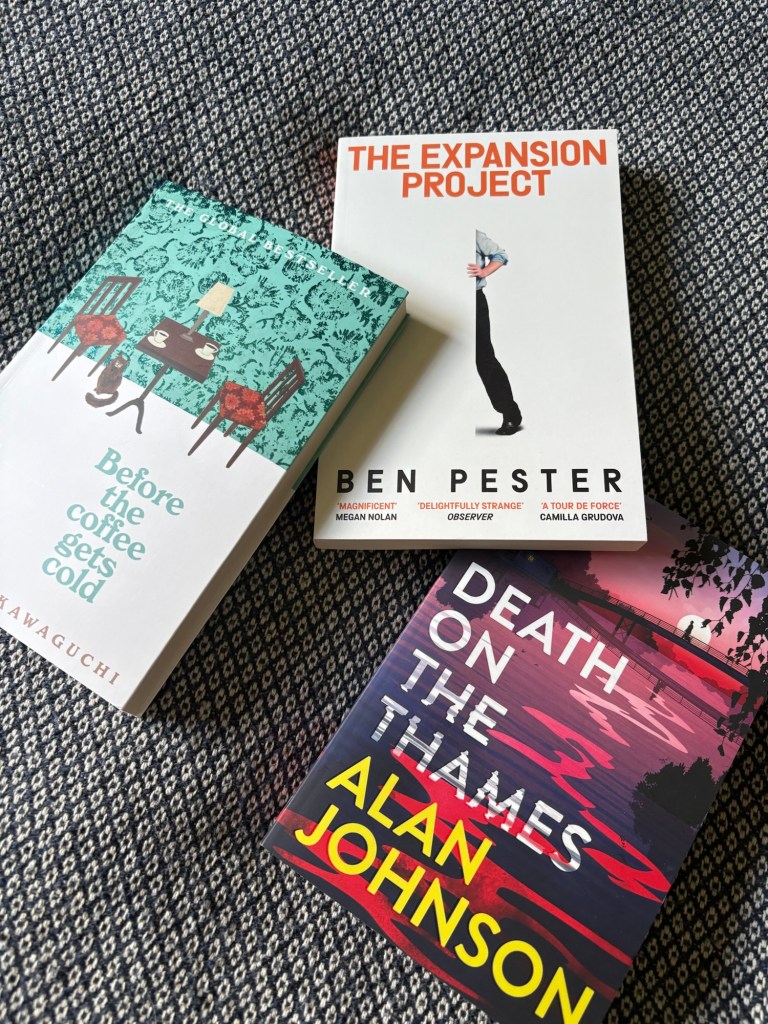
Starting in 1999 when a young woman is murdered within a boating community on the river, the novel follows a young PC’s investigation.
Fast-forward twenty years and our young PC is now a Detective Chief Superintendent, and a boat fire within the same boating community reignites the investigation.
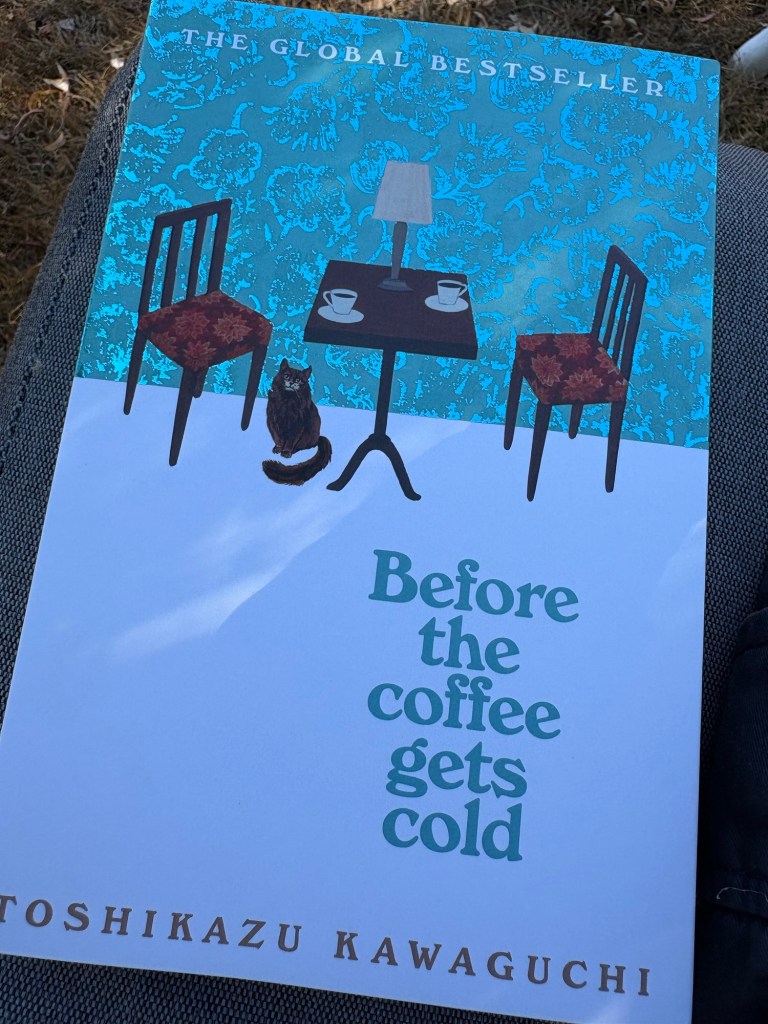
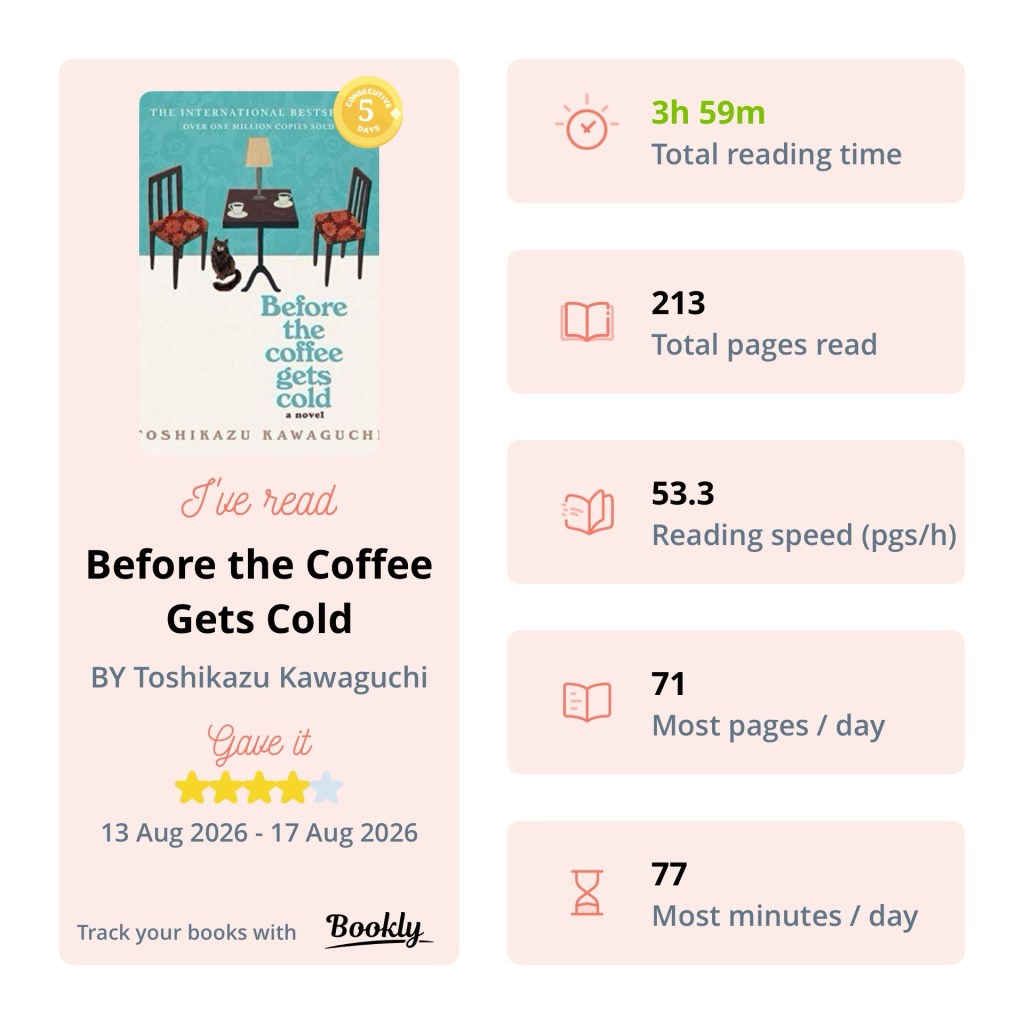
‘Before the Coffee gets Cold’ by Toshikazu Kawaguchi
Really liked this book.
It sounds a bit weird but it works. The story is set in a small cafe in Tokyo, its speciality is coffee. But this coffee offers its customers the chance to travel back in time.
We meet four visitors to the cafe who each have a reason to make use of the cafe’s time-travelling. But there are rules: customers must sit in a particular seat, they cannot leave the seat, and they must ensure they return to the present before the coffee gets cold.
The story explores the age-old question: what would you do if you could travel back in time? But, maybe more importantly, who would you choose to meet?
You don’t have to be a Nottingham Forest fan to enjoy The History Boys: Part 2, although obviously be ready to hear the words “Brian Clough” and “European Cup” on the odd occasion.
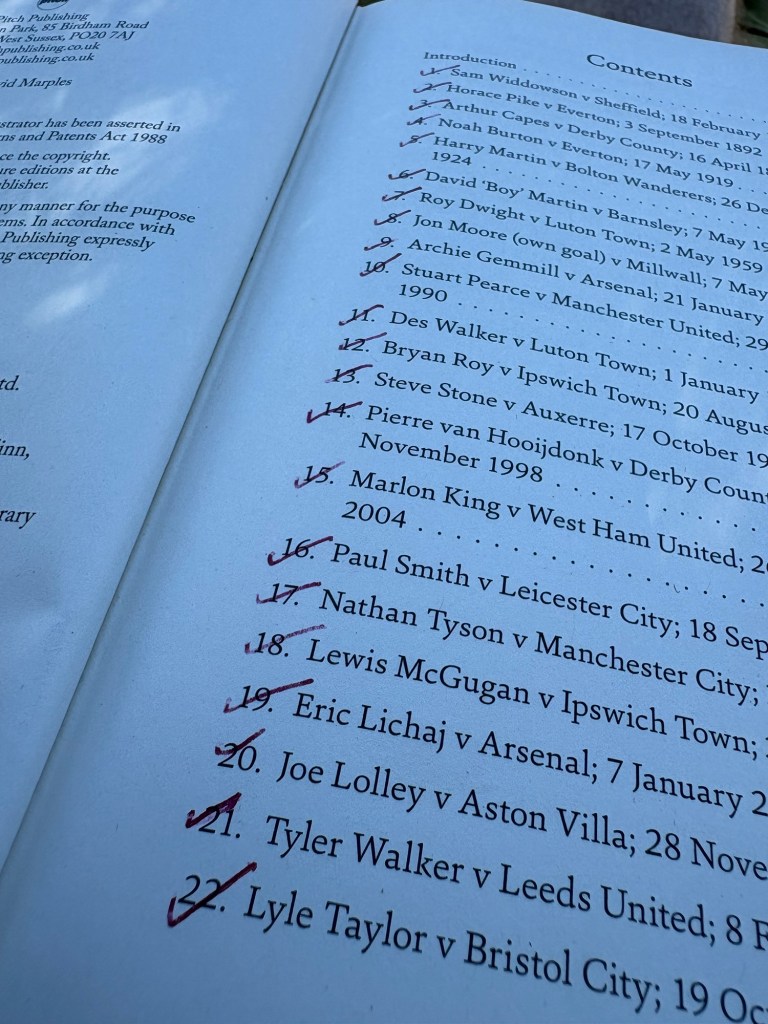
The book, Marples’ second book of iconic Forest goals, takes us on a journey through Forest’s history, from the 1880s right up to the modern day, with each short chapter focusing on a key goal. It’s a really easy book to dip in and out of, which suited me perfectly. In fact, I pretty much did exactly that — randomly picked chapters, read them, and ticked them off. Very satisfying. Like completing a particularly niche reading challenge.
David Marples has a great writing style, particularly when it comes to an extended metaphor and amusing little historical asides. There’s plenty of football in there, obviously, but it’s not simply a catalogue of goals and dates. The historical context gives the stories a bit more flavour, and there are some genuinely funny descriptions along the way. A personal favourite was Manchester United being described as ‘stumbling from treading on one piece of upturned Lego to another’.
My favourite chapter was Chapter 20, covering Joe Lolley’s goal. It’s a great goal to revisit, and the chapter also includes a rather lovely link to Con Air. Football books should probably contain more Nicolas Cage references.
Another nice touch is that each chapter has an epigraph, and the author has made the corresponding goal available to watch via video on his Substack blog. So you can read about the goal, then immediately go and watch it — essentially combining reading with a perfectly legitimate excuse to watch old football highlights.
Overall, this is a book that works particularly well for dipping into. You don’t necessarily need to read it from cover to cover; you can pick a chapter, read the story behind the goal, watch the goal itself, and wander off until the next one takes your fancy.
Whether you’re a Forest supporter or simply interested in football history, there’s plenty here to enjoy. It’s informative without being dry, humorous without trying too hard, and packed with some great moments from the club’s history. Although, on a personal level, slightly disappointed there isn’t a single reference to the mighty Charlton Athletic.