Today was all about taking the decorations down and calling Christmas done.

First run of the month: treadmill.
3.25 miles.
Done.

Just for general wonderings…
Today was all about taking the decorations down and calling Christmas done.
First run of the month: treadmill.
3.25 miles.
Done.
No new year resolutions this year.
A few years ago I did a monthly challenge – it was great fun – so back to that again this year.
I’ve not actually got a plan for any months, except January, just yet. But I’ve got all month to come up with something (I have got a vague idea).
So, January, going for an old favourite: RED January.

Run Every Day in January. Coolio.
Let’s do this!
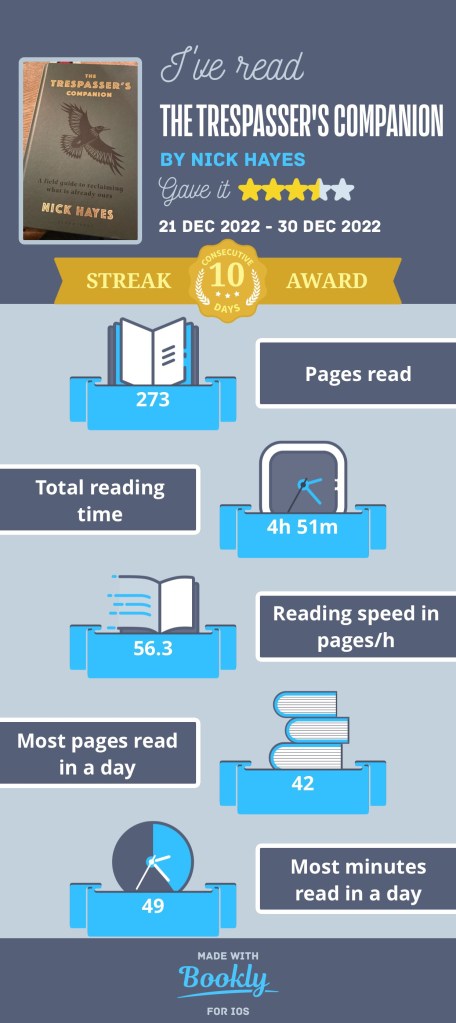
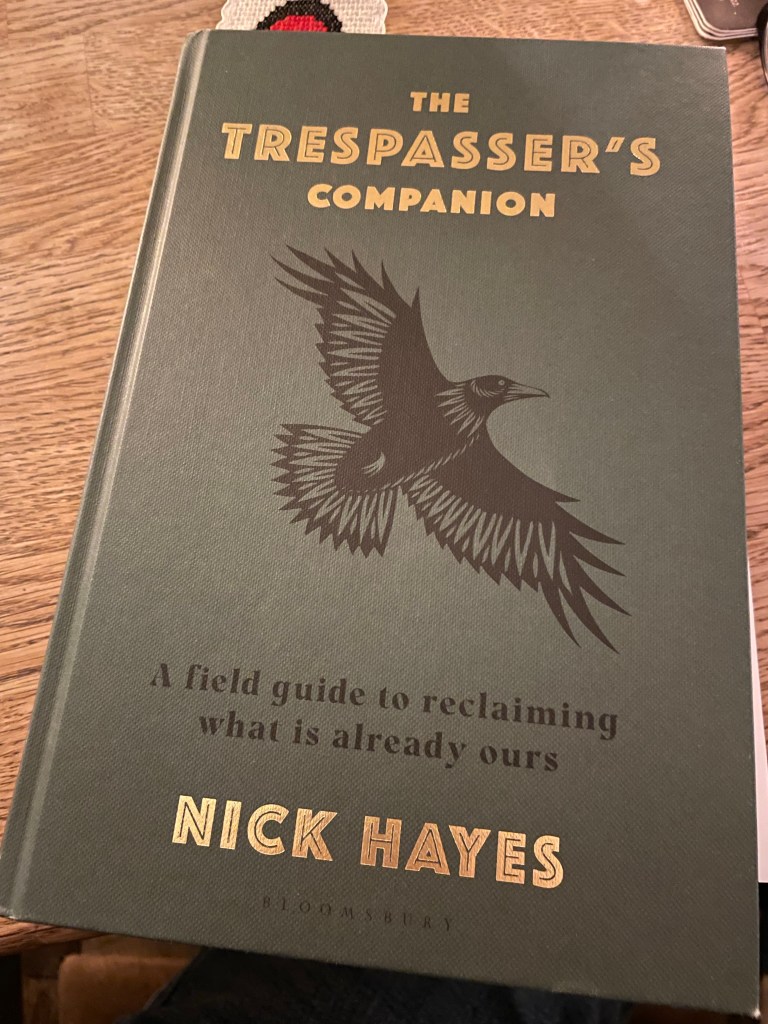
‘The Trespasser’s Companion’ by Nick Hayes
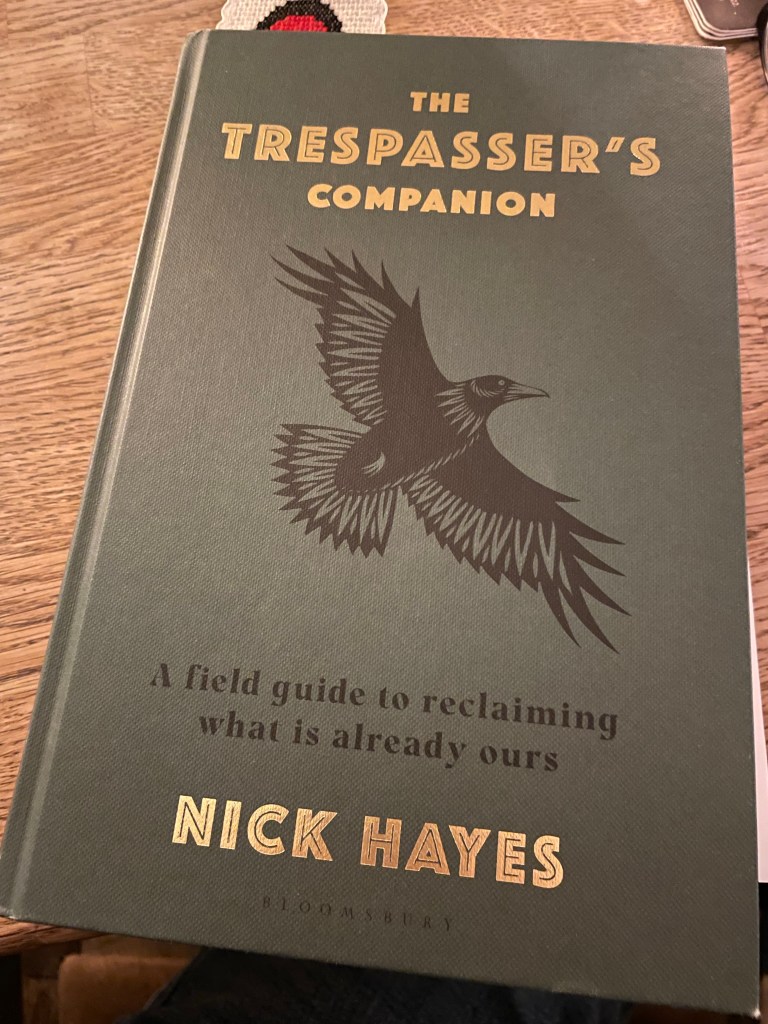
A rallying cry for greater public access to nature and guide to how to get it: by trespassing.
Loved Nick’s previous book, The Book of Trespass, the difference is that this book gives you more practical advice on how to reclaim our connection to nature.
It is both a love letter to our land and a call to action.
Managed a few gigs throughout the year…
February
Beans on Toast

March
Tom Odell

April
Black Water County

May
Grace Petrie

July
Paul Heaton and Jacqui Abbott with The Proclaimers and The Lathums

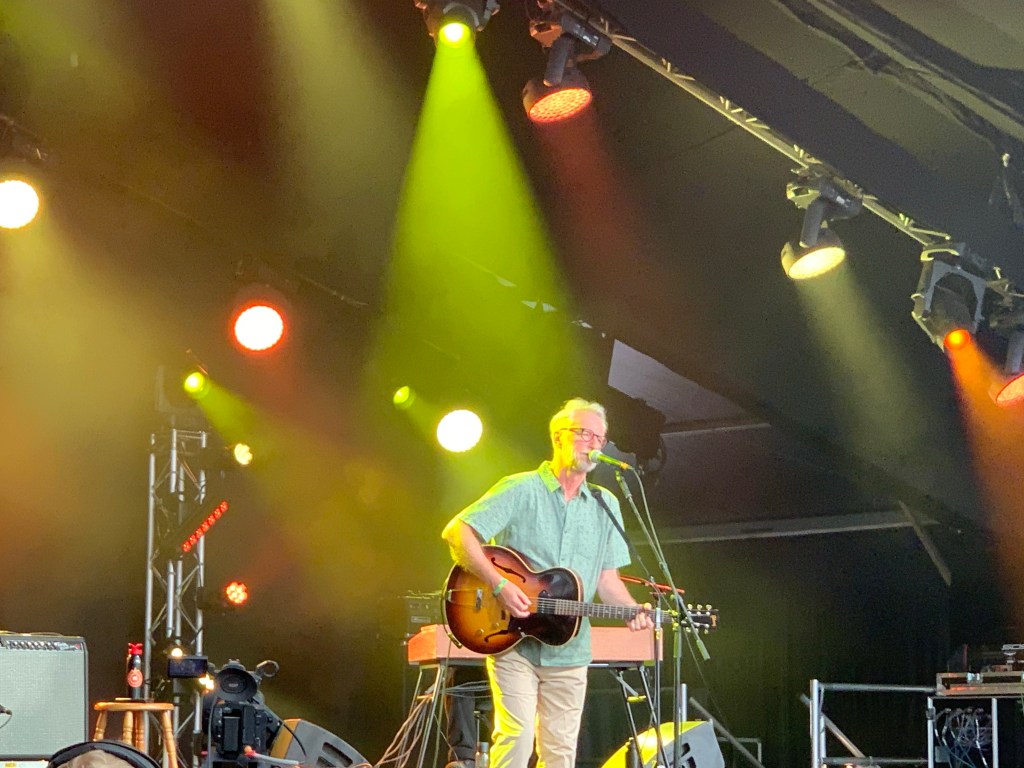
Cambridge Folk Festival including Billy Bragg, Beans on Toast and Suzanne Vega.
October
Frank Turner

Ricky Ross

November
Marcus Mumford

December
The Longest Johns

Paul Heaton with Billy Bragg

Managed to read 29 books this year:
A couple of standouts, both of which I was slightly late to the party for:
It’s been a great year on the reading front – definitely going for 30 books in 2023.
The complete list:
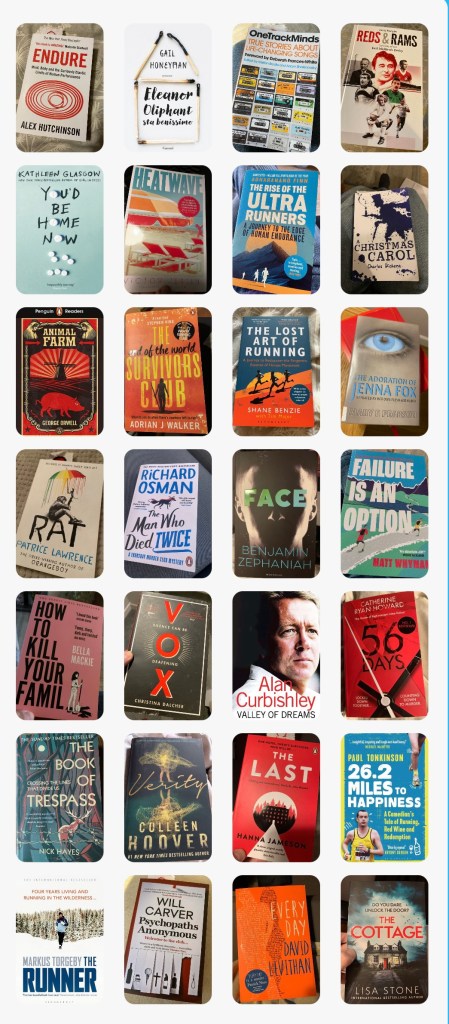
Plus the extra one:
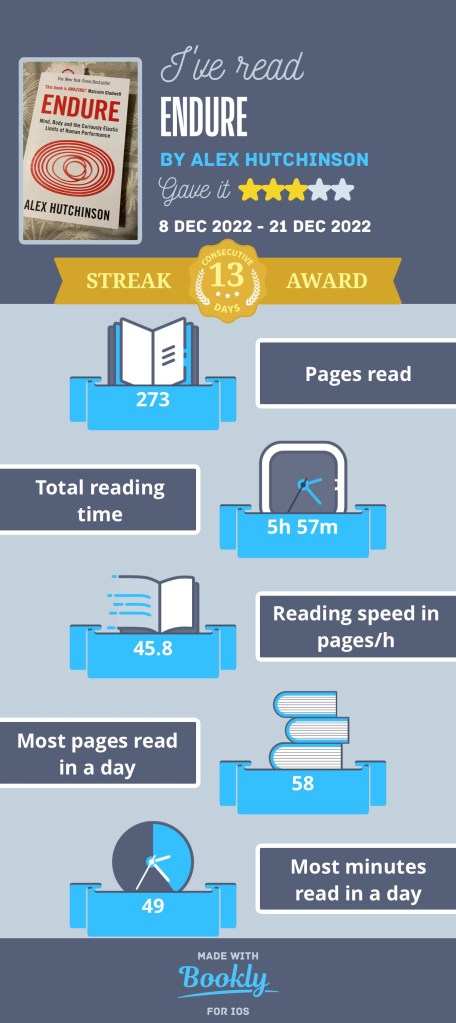
‘Endure: Mind, Body and the Curiously Elastic Limits of Human Performance’ by Alex Hutchinson
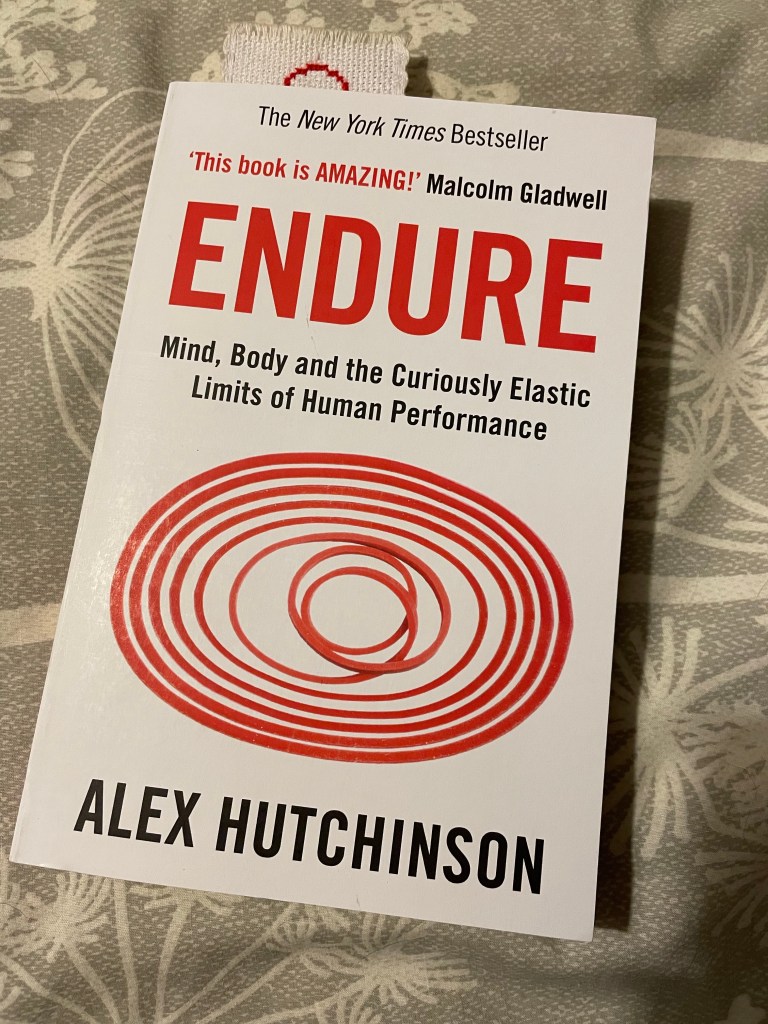
Interesting book.
This book explores various physical and psychological limits that scientists have explored to discover the extremes of human endurance. You could probably therefore guess it is quite sciencey in places!
The book is divided into various chapters that explore different researchers ideas: pain, muscle, oxygen, heat, thirst and fuel. It also tries to explain some of the big theories in the endurance event world, from the ‘human machine’ to the brain being the ‘central governor’.
This book isn’t a training manual, it just explores what the human limits are. Interestingly, after 273 pages of science, it comes back to this famous physiologist, Michael Joyner, back in 1991 when he was asked what a runner needs to do to break the 2-hour marathon:
Run a lot of miles.
Some faster than your race pace.
Rest once in a while.
If you are in anyway interesting in what it takes to run faster, it is well worth a read.
 Lengthorn's Blog